
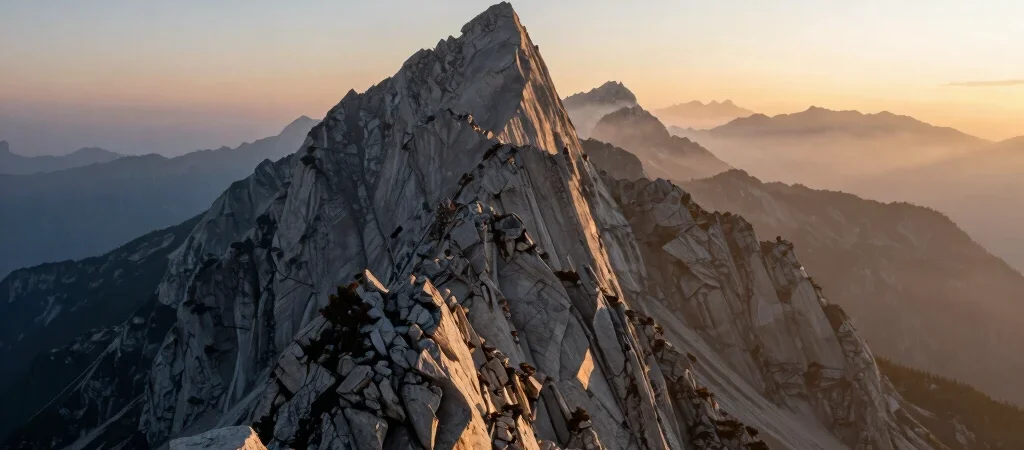
Standing on a wind-swept granite ridge at five in the morning requires preparation and patience. When the sky shifts from deep indigo to warm orange, you have only minutes before harsh shadows take over the mountain face. True field notes come from being in position well before sunrise rather than rushing up the trail as the light peaks.
Timing the Pre Dawn Window
The contrast between dark timberlines and glowing alpine peaks can overwhelm a sensor if you arrive late. Aim to lock your tripod legs twenty minutes before sunrise so you can meter the sky while shadows remain soft. This gives you time to adjust exposure compensation and evaluate subtle cloud formations moving through the pass.
Packing Gear for Steep Ascents
Carrying heavy camera packs up steep switchbacks drains energy quickly. Swap three fixed prime lenses for a single high-quality mid-range zoom to keep your kit lightweight. Prioritize a carbon-fiber tripod that handles mountain gusts without adding unnecessary bulk to your pack.
Framing Depth Without Distraction
Alpine landscapes easily look flat when shot straight on without structural depth. Look for low-lying glacial boulders or frost-dusted pine branches to anchor your foreground before letting the peak dominate the top third of the frame. This simple layer technique guides the viewer right into the valley.